Peptides for injury recovery: what they can and can't do
BPC-157 and TB-500 are the two names that come up for stubborn injuries. Both are now available through licensed pharmacies. Here's who they suit and how a plan is measured.
Is a consultation right for you?
A few short questions, about 60 seconds, and an honest answer at the end.
Your answers stay in this browser and are never sent. If you're a fit, you go straight to your own results page.
Watch first, 60 seconds
Why so many men feel flat, and what doing it properly looks like
Dr. Adam Dombrowski on testosterone, recovery and why every plan starts with your numbers.
Check if you qualifyGet your answerThe short answer
Then the detail, below.
The short answer
BPC-157 and TB-500 are the peptides people ask about most for stubborn tendon, ligament and muscle injuries. Since 30 October 2026, licensed pharmacies may compound both as single ingredients for a practitioner's plan. They're used as a defined trial alongside rehab, with clear measures of progress, a set length and a review point. Your practitioner decides if either fits.
Updated 9 November 2026. Reviewed under Dr. Scott Willis, MD.
- Florida-licensed practitionersTreatment only after a consultation
- Licensed pharmacySingle ingredient, traceable source
- Labs near youA blood draw close to home
- Telehealth statewideVideo consultations anywhere in Florida
01
The two recovery peptides
| BPC-157 | TB-500 | |
|---|---|---|
| What it is | 15-amino-acid fragment of a protein in gastric juice | Synthetic fragment of thymosin beta-4 |
| Asked about for | Tendon, ligament, muscle, gut lining | Muscle strains, soft tissue, wound repair |
| Forms allowed | Injection, oral, topical | Injection only |
BPC-157 is the one most people start with, partly because it isn't limited to injections. TB-500 tends to come up for muscle strains and broader soft-tissue recovery. Full detail on each: BPC-157 in Florida and TB-500 in Florida.
02
Which injuries people ask about
- Tendon problems that have stalled: elbow, Achilles, patellar and rotator cuff, months into rehab without much change.
- Ligament sprains slow to settle after the acute phase.
- Muscle strains that keep recurring under training load.
- Slow bounce-back from training in active adults over forty.
Acute injuries, suspected tears and anything with numbness, weakness or a joint that gives way need an in-person assessment and often imaging first. A peptide isn't a substitute for finding out what's actually damaged.
The best candidates usually have a clear assessment from a physician or physiotherapist, have done the rehab properly for a few months, and want to see whether something else moves the needle.
03
What a plan can and can't promise
Nobody can honestly promise a result from a recovery peptide, and a provider who does is a warning sign. What a plan can promise is structure: a clear goal, a measure you can track, a set length and a review point where you continue, adjust or stop.
Both are used for a set period, never open-ended, with labs before you start. Because both may encourage new blood vessel growth, anyone with active cancer or a recent history of it is excluded.
04
Where peptides fit alongside rehab
Tissue adapts to load. Physiotherapy, progressive loading, sleep and protein do the heavy lifting in any tendon or muscle recovery, and peptides, at best, sit on top of that. A sensible plan keeps the rehab going and changes one thing at a time, so you can tell what's helping.
That's also why blends are a bad idea for recovery: one vial with two peptides makes it impossible to know which did anything. The October policy excludes blends anyway, so if both suit you, they're supplied separately. See BPC-157 vs TB-500.
Be honest with yourself about the basics too. Short sleep, low protein and a training load that jumps week to week will hold back any tendon, with or without a peptide. Fix those first and you'll also have a cleaner read on whether a peptide adds anything. Many people find the injury settles once they do.
05
What's legal since October
On 30 October 2026, HHS published an interim policy allowing state-licensed pharmacies to compound six peptides, BPC-157 and TB-500 among them, under ten conditions while a formal rule is written. It isn't FDA approval. The practical points for recovery:
- BPC-157 can be an injection under the skin or into muscle, oral, or topical.
- TB-500 is injection only.
- Single ingredient only: no recovery stacks.
- A practitioner's plan is required, after a consultation.
The detail is in is BPC-157 legal in Florida.
06
A defined trial, not an open-ended course
- A 15-minute consultation by video: the injury, the rehab so far, and whether a peptide is worth trying.
- Baseline labs at a lab near you.
- Clear measures set at the start: pain on loading, range of motion, training volume, or a specific movement you can't do yet.
- A set length and a review point. Continue, adjust or stop, based on those measures.
Every plan is supplied by a state-licensed pharmacy, single ingredient only, never a "research use only" vial from a website. Not a fit: pregnancy or breastfeeding, active or recent cancer, or tested sport. Both are on the World Anti-Doping Agency's prohibited list.
Book a 15-minute consultation, or take the 60-second check.
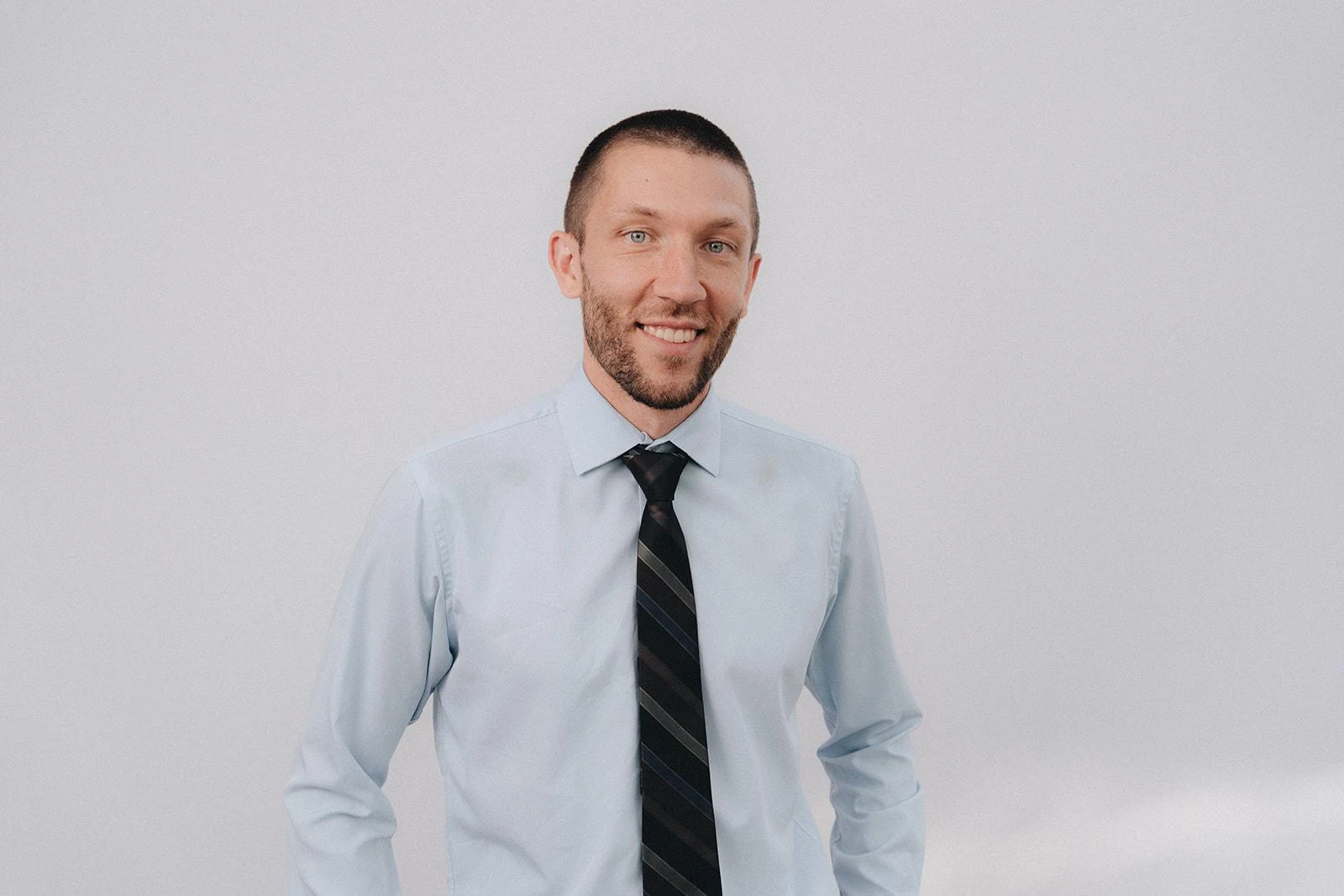
The person behind it
Built by a practitioner, guided by your biology
Dr. Adam Dombrowski, ND
Founder
With over twelve years as a natural practitioner, Dr. Dombrowski founded one of Florida’s leading all-natural practices, helping people across the state get to the root of real health problems. Revita takes that same root-cause thinking and pairs it with peptides and hormone therapy: every plan built from your own biomarkers, with the follow-up to keep it right.

Dr. Scott Willis, MD
Medical director · Board-certified emergency medicine physician
“Saving lives by night. Improving lives by day.”
A board-certified emergency medicine physician with more than 25 years of experience. In the ER his work is about saving lives in critical moments; at Revita it’s about helping clients improve their health for the years ahead. Dr. Willis provides physician oversight, working alongside our naturopathic doctors to bridge conventional medicine with functional and preventive care, and signs off every plan before anything starts.
Keep reading
Make the 15 minutes count
- Your goal in one sentence, and how you'd know it's working.
- Any recent blood work (photos are fine).
- Medications and supplements you take now.
- Injuries or conditions, and what you've already tried.
- Whether you compete in a tested sport.
- Plans for children in the next year or two (it changes the options for hormone therapy).
Not sure yet? A few questions, about a minute, and an honest answer on whether a consultation makes sense.
Check if you qualifyGet your answerSources and further reading
Primary sources, so you can check what we say.
- FDA: Human drug compoundingHow licensed compounding pharmacies are regulated
- Federal RegisterWhere the 30 October 2026 HHS policy was published
- Florida Department of Health: license lookupCheck any Florida practitioner's license
- WADA prohibited listIf you compete in a tested sport
More questions people ask
Still unsure? Take the 60-second check or book a 15-minute consultation.
Which peptide is best for tendon injuries?
BPC-157 is the one most often used for tendons, and it comes in more forms. TB-500 tends to come up for muscle strains. The choice depends on your injury and history, and your practitioner decides if either fits.
Can peptides replace physiotherapy?
No. Loading and rehab drive tendon and muscle recovery; a peptide, if used, sits alongside them.
Are peptide injections painful?
They're small injections under the skin with a fine needle. Most people find them minor, and BPC-157 also comes as an oral or topical form.
How long should a recovery peptide trial last?
Usually a set number of weeks, agreed at the start with a review point. Your practitioner sets it from the injury and your response.
Can I use peptides after surgery?
Talk to your surgeon first. Peptide use after an operation is decided case by case, with your surgeon's input.
Do recovery peptides help arthritis?
Recovery peptides are used for soft tissue such as tendons, ligaments and muscle, not joint arthritis. If arthritis is the issue, the consultation looks at what else fits.
How much does a recovery peptide plan cost?
It depends on which peptide, the form, the length of the plan and your labs. You get the exact figure on the 15-minute consultation.