BPC-157 vs TB-500: which one, and can you use both?
Two recovery peptides, often sold together, rarely explained apart. Here is how they differ, who each suits, and what the October rules mean for you.
Is a consultation right for you?
A few short questions, about 60 seconds, and an honest answer at the end.
Your answers stay in this browser and are never sent. If you're a fit, you go straight to your own results page.
Watch first, 60 seconds
Why so many men feel flat, and what doing it properly looks like
Dr. Adam Dombrowski on testosterone, recovery and why every plan starts with your numbers.
Check if you qualifyGet your answerThe short answer
Then the detail, below.
The short answer
BPC-157 is a 15-amino-acid fragment of a protein found in human gastric juice, used mostly for tendon, ligament and gut goals, and can be compounded as an injection, oral or topical. TB-500 is a synthetic fragment modelled on thymosin beta-4, used for soft-tissue recovery, and is injection only. Neither can be combined in one vial, and your practitioner decides if either fits.
Updated 9 November 2026. Reviewed under Dr. Scott Willis, MD.
- Florida-licensed practitionersTreatment only after a consultation
- Licensed pharmacySingle ingredient, traceable source
- Labs near youA blood draw close to home
- Telehealth statewideVideo consultations anywhere in Florida
01
Side by side
The quick view. Both are covered by the HHS interim policy of 30 October 2026, which lets state-licensed pharmacies compound them under ten conditions. Neither is FDA-approved.
The policy is interim and formal rulemaking is still to come, so the details can change. It also covers only licensed pharmacies compounding for a plan from a licensed practitioner, after a consultation.
| Question | BPC-157 | TB-500 |
|---|---|---|
| What it is | A 15-amino-acid fragment of a stomach protein | A synthetic fragment of thymosin beta-4 |
| What people ask about it for | Tendons, ligaments, muscle, gut lining | Muscle strains, soft tissue, tendon repair |
| Forms allowed | Injection under the skin or into muscle, oral, topical | Injection only |
| Blends | Not covered | Not covered |
| Tested sport | On the WADA prohibited list | On the WADA prohibited list |
02
How they differ in what they do
BPC stands for Body Protection Compound. It comes from a protein in the stomach, and people ask about it for tendons, ligaments, muscle tears and the gut lining. That gut angle is why it's the one people ask about for digestive goals.
TB-500 copies the active region of thymosin beta-4, a protein your body uses to move cells into damaged tissue and build small new blood vessels. People ask about it mainly for muscle strains and soft-tissue recovery.
Either one is used for a set period with labs, never open-ended, and judged against measures agreed at the start.
So the honest summary: overlapping goals, different origins, different forms.
03
Why they can't share one vial
Most "recovery stacks" sold online put BPC-157 and TB-500 together. The October policy only covers single-ingredient products, so a licensed pharmacy working from a practitioner's plan makes each one separately.
That has an upside. Two products with their own doses mean your practitioner can start, adjust or stop each on its own, and you can tell which one, if either, is helping.
Online "research use only" vials, blended or not, aren't covered at all. There's no way to know what's in them or how much.
Separate products also mean separate forms. BPC-157 could be oral or topical while TB-500 stays an injection, which matters if you'd rather keep injections to a minimum.
04
Choosing between them, or using both
Nobody can honestly tell you one is better for everyone. What shapes the choice is practical:
- Form. If you'd rather not inject, only BPC-157 offers oral or topical options.
- Goal. Gut lining concerns point toward BPC-157, which comes from a stomach protein. A stubborn strain or tendon problem is where people ask about either.
- Clarity. Starting one at a time often makes the result easier to read.
Whatever is chosen, it runs as a defined trial: a set length, a review point and clear measures such as pain, range of motion and training load. If the measures don't move, it stops. See peptides for injury recovery for how that fits alongside rehab.
05
How a trial runs at Revita
- Fifteen minutes on video. Your injury or goal, what you've already tried, and whether either peptide is worth trying at all.
- Baseline labs. A blood draw at a lab near you, anywhere in Florida, so the plan starts from your numbers.
- A defined trial. One peptide, or two supplied separately, each with its own form, dose and length, filled by a licensed pharmacy.
- Review. The agreed measures are checked, and the plan continues, changes or stops based on what moved.
Every plan is signed off by Dr. Scott Willis, MD, our Florida-licensed medical director. Before you commit anywhere, ask any provider which licensed pharmacy supplies it, whether each peptide is a single ingredient, and what happens if nothing has changed by the review point. If the honest answer is that neither peptide suits you, that's what you'll hear.
06
Who neither suits
- Pregnancy, breastfeeding or trying to conceive.
- Active cancer or a recent history of it, because both encourage new blood vessel growth.
- Tested athletes: both are on the World Anti-Doping Agency's prohibited list.
- Anyone hoping a peptide replaces rehab, sleep or load management.
Not sure which applies to you? Take the 60-second check or book a 15-minute consultation.
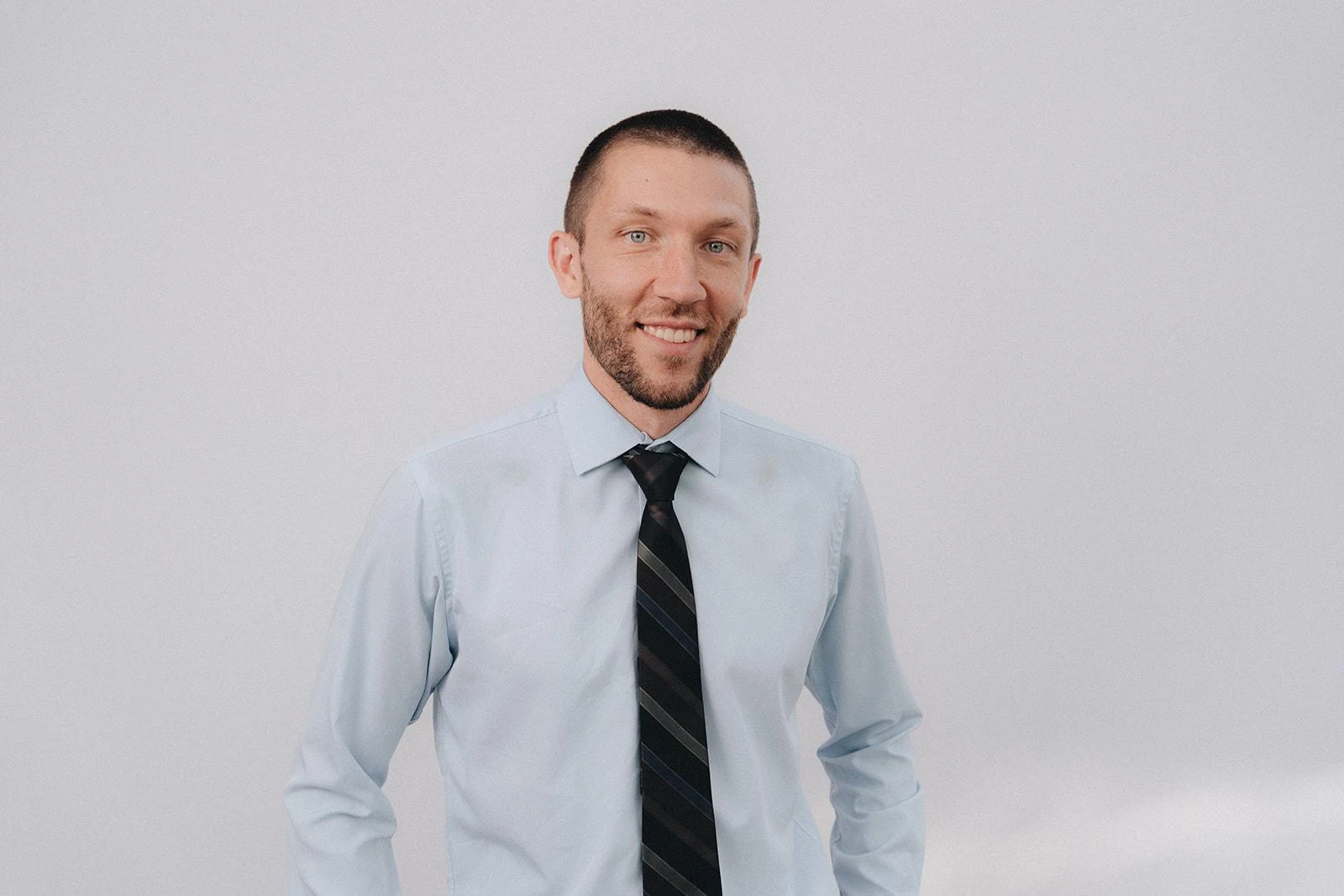
The person behind it
Built by a practitioner, guided by your biology
Dr. Adam Dombrowski, ND
Founder
With over twelve years as a natural practitioner, Dr. Dombrowski founded one of Florida’s leading all-natural practices, helping people across the state get to the root of real health problems. Revita takes that same root-cause thinking and pairs it with peptides and hormone therapy: every plan built from your own biomarkers, with the follow-up to keep it right.
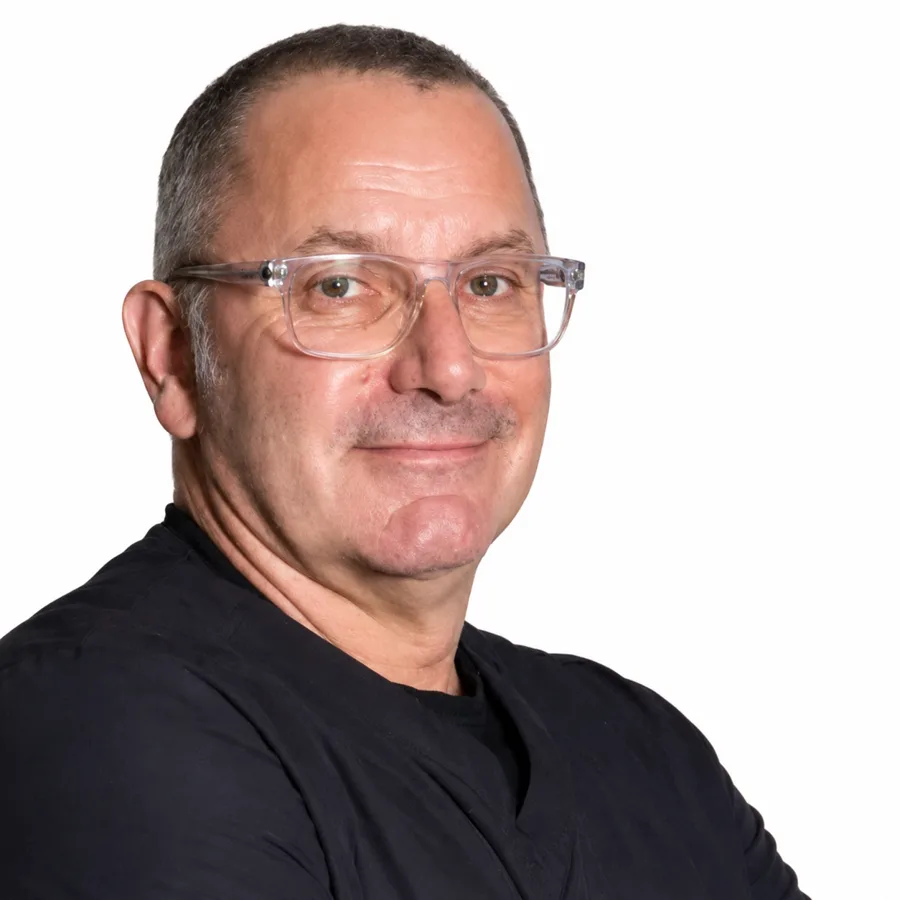
Dr. Scott Willis, MD
Medical director · Board-certified emergency medicine physician
“Saving lives by night. Improving lives by day.”
A board-certified emergency medicine physician with more than 25 years of experience. In the ER his work is about saving lives in critical moments; at Revita it’s about helping clients improve their health for the years ahead. Dr. Willis provides physician oversight, working alongside our naturopathic doctors to bridge conventional medicine with functional and preventive care, and signs off every plan before anything starts.
Keep reading
Make the 15 minutes count
- Your goal in one sentence, and how you'd know it's working.
- Any recent blood work (photos are fine).
- Medications and supplements you take now.
- Injuries or conditions, and what you've already tried.
- Whether you compete in a tested sport.
- Plans for children in the next year or two (it changes the options for hormone therapy).
Not sure yet? A few questions, about a minute, and an honest answer on whether a consultation makes sense.
Check if you qualifyGet your answerSources and further reading
Primary sources, so you can check what we say.
- FDA: Human drug compoundingHow licensed compounding pharmacies are regulated
- Federal RegisterWhere the 30 October 2026 HHS policy was published
- Florida Department of Health: license lookupCheck any Florida practitioner's license
- WADA prohibited listIf you compete in a tested sport
More questions people ask
Still unsure? Take the 60-second check or book a 15-minute consultation.
Which is stronger, BPC-157 or TB-500?
Neither is stronger across the board, so no one can honestly rank them. The choice comes down to your goal, the form you prefer and your history, and your practitioner decides if either fits.
Is there an oral form of TB-500?
Not under the October policy. TB-500 is covered as an injection under the skin or into muscle only.
Can I start both at the same time?
It's possible as two separate products, but many plans start one first so the effect of each is clear. Your practitioner decides from your goal and history.
Is TB-500 the same as thymosin beta-4?
No. Thymosin beta-4 is the full protein your body makes. TB-500 is a shorter synthetic fragment modelled on its active region.
Do I need labs before either peptide?
Yes. A baseline panel comes first, so the plan starts from your numbers and there's something to compare at review.
Can I buy BPC-157 and TB-500 online?
Research-use vials sold online aren't from licensed pharmacies and aren't covered by the October policy. A peptide from a licensed compounding pharmacy, as part of a practitioner's plan, has a traceable source.